
laminated glass balustrade
The Precision of Micrometers An Essential Tool in Engineering and Manufacturing Micrometers, often referred to as micrometer screws, are precision measuring instruments used extensively in various fields such as engineering, manufacturing, and scientific research. These devices are crucial for ensuring accurate measurements of objects, often down to a fraction of a millimeter. The significance of micrometers lies in their ability to provide precise measurements, which are essential for maintaining quality control and ensuring that components meet specified tolerances. Micrometers function based on the principle of a screw mechanism, wherein a rotational movement translates into linear movement. This design allows for highly accurate readings, typically ranging from 0.01 mm to 0.001 mm, depending on the type of micrometer. The most common type is the outside micrometer, which measures the external dimensions of an object. There are also inside micrometers for internal measurements and depth micrometers for measuring depth. The precision of a micrometer can be attributed to several key factors, including the material from which it is made, the quality of its manufacturing, and the calibration techniques applied. High-quality micrometers are often constructed from hardened steel or other durable materials that resist wear and maintain their accuracy over time. Furthermore, precise manufacturing processes ensure that the screw threads and measuring faces are perfectly aligned, allowing for accurate measurements without parallax error. the precision of micrometer Calibration is another critical aspect of maintaining the precision of micrometers. Regular calibration against known standards is necessary to ensure that measurements remain accurate . Many professional environments have dedicated calibration equipment to verify the accuracy of their measuring instruments. This step is essential, as even minor deviations can lead to significant errors in manufacturing processes, ultimately affecting product quality and performance. In addition to their mechanical design, modern technology has introduced digital micrometers that offer enhanced precision and ease of use. Digital displays provide easy-to-read measurements and often include additional features, such as data logging and conversion between measurement units. These advancements make digital micrometers particularly appealing in high-precision applications, where users require quick and accurate readings without the potential for human error associated with analog scales. Despite their advantages, users must be adequately trained in the proper use of micrometers to ensure accurate measurements. Factors such as improper handling, environmental conditions, and user technique can all impact the precision of readings. For example, applying excessive force when closing the measuring faces can distort the object being measured, leading to inaccurate results. In conclusion, the precision of micrometers is fundamental to various industries that rely on accurate measurements for product development and quality assurance. From their mechanical design to the necessity of regular calibration and user training, every aspect contributes to the effectiveness of these instruments. As technology continues to evolve, the role of micrometers will remain vital, ensuring that standards of precision are met in an increasingly complex manufacturing landscape. Their significance as an indispensable tool underscores the relationship between precision measurement and successful engineering and manufacturing practices.
about
laminated glass balustrade
Understanding the Price Dynamics of 300mm Butterfly Valves When it comes to industrial applications, butterfly valves are critical components used in a wide range of processes, particularly in the fields of water supply, wastewater treatment, and various chemical and petrochemical processes. The 300mm butterfly valve, a popular size in the industry, is noted for its efficiency, ease of operation, and cost-effectiveness. However, understanding the pricing dynamics of these valves is essential for both purchasing decisions and budgeting in projects. The price of a 300mm butterfly valve can vary significantly based on several factors, including material composition, design specifications, manufacturer reputation, and market demand. Typically, these valves are made from materials such as cast iron, stainless steel, or plastic, each presenting different cost implications. For example, a stainless steel butterfly valve would generally be pricier than its cast iron counterpart due to its enhanced corrosion resistance and durability, which are crucial in certain applications, such as chemical handling. Understanding the Price Dynamics of 300mm Butterfly Valves Another critical factor affecting the price of 300mm butterfly valves is the reputation and reliability of the manufacturer. Established manufacturers with a track record of high-quality products might charge more, but they often offer better warranties, customer service, and technical support. Investing in a reputable brand can provide long-term savings by reducing maintenance costs and downtime. 300mm butterfly valve price Market conditions can also significantly influence pricing. For instance, during periods of heightened demand, such as when governments or organizations launch large-scale infrastructure projects, the prices of butterfly valves may increase due to scarcity. Conversely, when the market is saturated or in a downturn, prices could decline as manufacturers compete for sales. It's worth noting that geographic location can affect pricing as well. For example, regions with a high concentration of manufacturing activity may see lower shipping costs, while remote areas could incur higher transportation fees, ultimately affecting the final price paid by the purchaser. Additionally, international trade policies, tariffs, and exchange rates can play a crucial role in pricing dynamics, particularly for companies that import these components from abroad. When considering a purchase, it's advisable to conduct thorough market research. Buyers should compare prices from multiple suppliers while considering factors such as shipping costs, lead times, and product warranties. Utilizing online marketplaces can also provide insights into price ranges and customer reviews, helping to inform purchasing decisions. In summary, the price of a 300mm butterfly valve is determined by a combination of material quality, design specifications, manufacturer reputation, market demand, and geographic factors. By understanding these dynamics, buyers can make informed decisions that align with their project needs, ensuring they choose a valve that meets both operational requirements and budget constraints. Whether in a large industrial setting or a smaller scale operation, investing time in researching and understanding the costs involved can lead to significant benefits in the long run.
-

High quality industrial productsagement

High quality industrial products
View Details -

Meet the diverse needs of customers

Meet the diverse needs of customers
View Details -

Strict quality control

Strict quality control
View Details -

Top raw materials

Top raw materials
View Details -

Trusted supplier

Trusted supplier
View Details
Our application

news and information

valve factory
Located at the very heart of industrial innovation, valve factories have become pivotal in shaping t

Válvula de mariposa de 1200 mm para aplicaciones industriales y de control de flujo
Válvula de Mariposa de 1200 mm Eficiencia y Aplicaciones en la Industria La válvula de mariposa es u
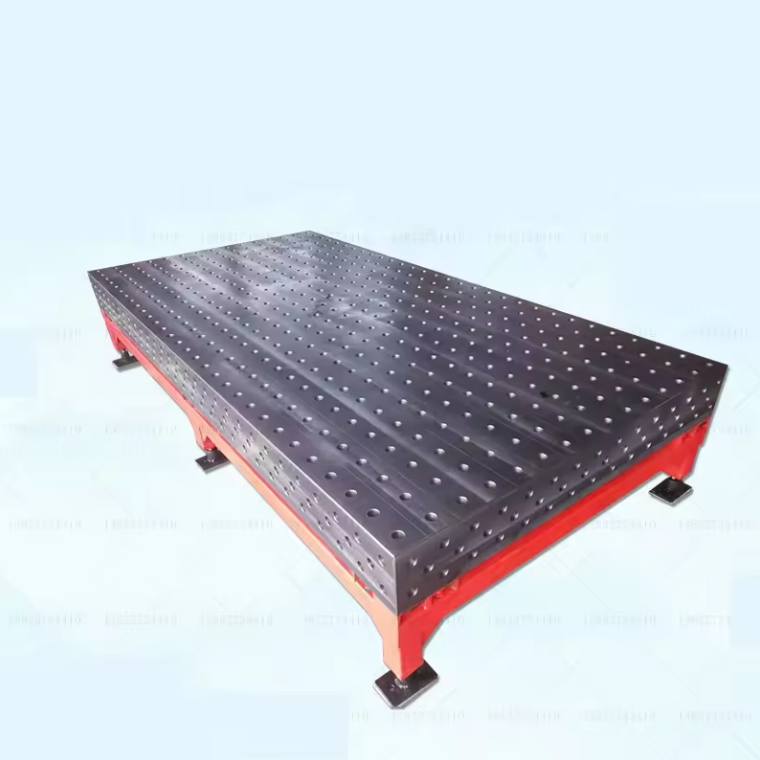
Versatile 4x8 Welding Table for Precision Metalwork and Fabrication Projects
The Versatility of a 4x8 Welding Table In the world of metalworking and fabrication, the importance
 English